

Some stories arrive like gifts.
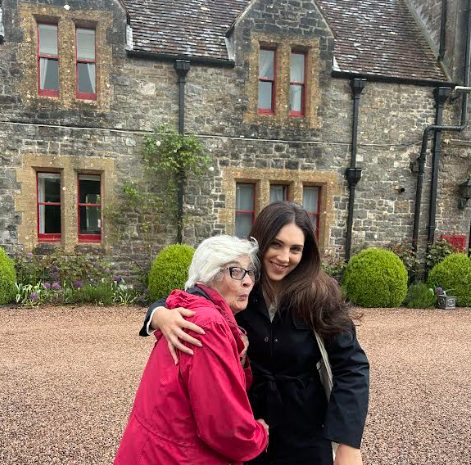
Recently, we received a message from Eloisa, whose grandmother, great‑grandmother, and great‑great‑grandmother all lived and worked on the Huntsham Estate. What followed was a treasure trove of photographs, handwritten notes, and excerpts from a memoir written with extraordinary clarity and affection.
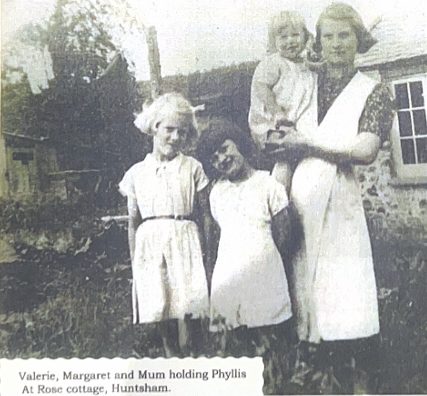
Her grandmother, Margaret Rose Buckingham (later Curtis), grew up in Huntsham in the early 1900s, surrounded by a village and estate that operated as one living organism — a place where every cottage, every trade, and every family played a part in the rhythm of daily life at Huntsham Court.
Through her words, we are offered a rare glimpse into what the house once was — a family home that was bustling, disciplined, warm, and deeply human. As you read on, this blog brings together some of those memories, celebrating the people whose hands and hearts shaped Huntsham long before it became the place we know today.
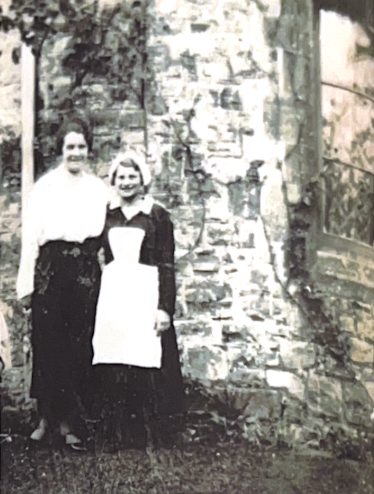
A Village Built Around the Estate
In the early 1900s, Huntsham village and Huntsham Court were inseparable. At that time, every cottage, every field, and every trade was connected to the estate in some way. Nellie Buckingham describes a community where the house was the heartbeat of village life:
“The village, in my memories, was all linked with Huntsham Court when all the farms and cottages belonged to the estate… My father looked after the lake; he went out in a little boat to feed the fish and ducks and generally helped with other jobs on the estate.”
Moreover, the estate team was extensive — carpenters, masons, plumbers, gardeners, woodmen, grooms, chauffeurs — all overseen by the Steward, who issued daily orders. Consequently, it was a world where everyone knew their role, and the village was kept with great pride and care.
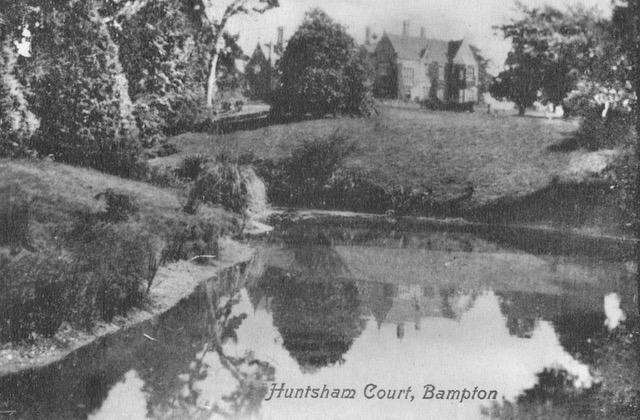
Growing Up in Huntsham
Nellie spent her childhood in Lake Cottage, where her father tended the lake and supported the estate’s outdoor work. She recalls a village full of activity, where the estate’s needs shaped the rhythm of daily life.
Together, these early memories — the lake, the workers, the sense of community — formed the backdrop to her upbringing and instilled a lifelong affection for Huntsham Court.
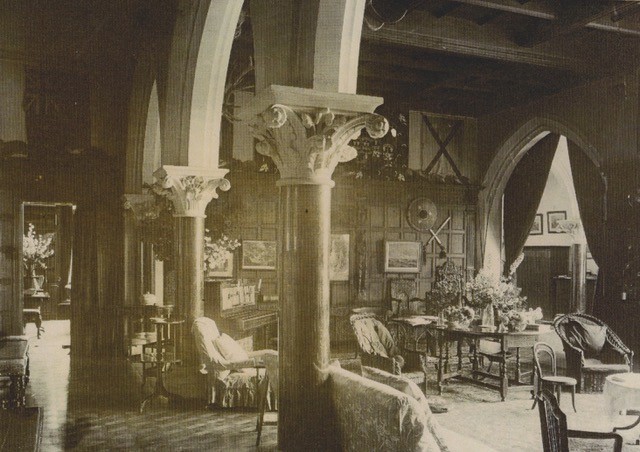
Inside Huntsham Court: A Housemaid’s Life (1931–1935)
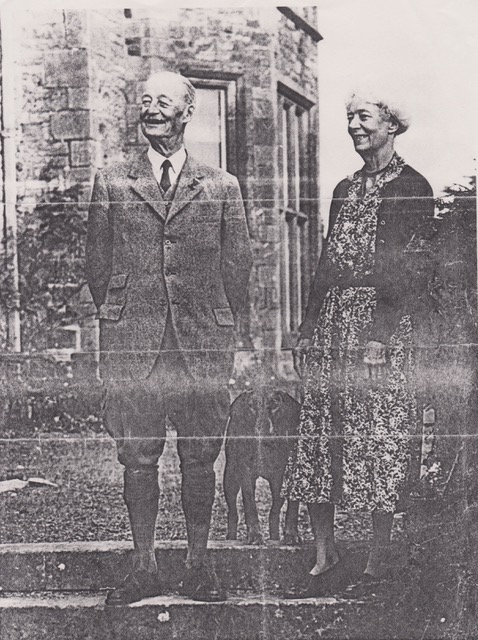
At just 14 years old, Nellie began working at Huntsham Court for Sir Gilbert and Lady Acland Troyte. Her descriptions of her daily routine are superbly vivid and detailed:
“I started work at 7am. Front stairs and the Stone Hall, Morning Room and through to the Office was my responsibility before breakfast.”
At 9am, the bell rang for servants’ prayers in the Morning Room, led by Lady Troyte. Afterward, Margaret moved upstairs to tend to the bedrooms — the Chintz Room, East Room, Pink Room, West Room, and Lady Troyte’s own room — each with its own fire, washstand, and daily tasks.
She recalls:
“I would do the grates (with Black Lead), then washstands and sweep all the carpets on hands and knees with a dustpan and brush.”
Throughout the day, her duties continued:
Cleaning brass twice a week
Scrubbing back stairs
Mending household linen
Delivering jugs of hot water three times a day
Tending fires
Preparing hot water bottles
Ensuring her own bedroom was kept to the same standard as the rest of the house
Telegram deliveries were frequent, carried on a silver salver. The kitchen maid lit the range before dawn. The estate bell tolled at 8am and 1pm to signal mealtimes for outdoor staff.
On ordinary days, Nellie finished around 10pm. However, on dinner‑party days, it was much later.
Her account paints a picture of a house alive with movement — a place where every detail mattered, and every pair of hands played a part.
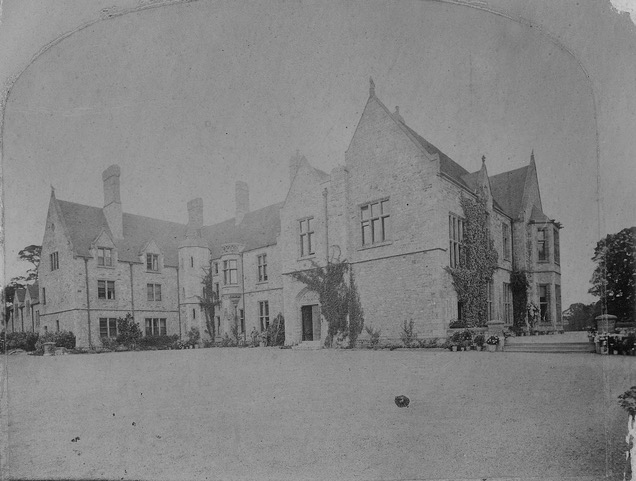
The Estate Workforce: A Community in Motion
Huntsham Court functioned like a small, self‑contained world. In addition to domestic staff, the estate employed skilled tradespeople, domestic staff, and outdoor workers, each contributing to the smooth running of the house and grounds.
From gardeners tending the borders to woodmen managing the estate’s timber, from kitchen maids scrubbing the range to chauffeurs driving the family across the country — the estate was a hive of activity, discipline, and craftsmanship.
Notably, Margaret’s memoir captures this beautifully, offering a rare window into the daily operations of a grand country house in the early 20th century.

The War Years & Changing Times
In 1939, as war approached, Margaret’s family moved to Norwood Cottage. Even so, their connection to Huntsham remained strong. Sir Gilbert and Lady Troyte offered her mother a cottage in the village, recognising the family’s long service.
Furthermore, many of Margaret’s relatives continued to work on the estate during this period — a testament to the enduring relationship between the family and Huntsham Court.
A Living Connection: Eloisa’s Message Today
Eloisa’s message to us was full of pride and affection. She shared scans from her grandmother’s memoir, family photographs, and stories passed down through generations. Her words were a reminder that Huntsham Court is not just a building — it is a place shaped by the people who lived and worked here, whose stories still echo through its rooms.
Her family’s memories add colour, humanity, and continuity to the estate’s history, enriching our understanding of what Huntsham Court has meant to the community over the past century.
Why These Stories Matter
Huntsham Court has always been more than bricks and stone. It is a tapestry woven from the lives of the people who cared for it, served within it, and built their families around it. Stories like Margaret’s remind us that heritage is not something preserved behind glass — it is something carried forward through memory, connection, and the stories we choose to tell.
Therefore, we are honoured to share Eloisa’s family history, and grateful for the reminder that Huntsham Court’s past is alive in the present, shaping the spirit of the house we care for today.